
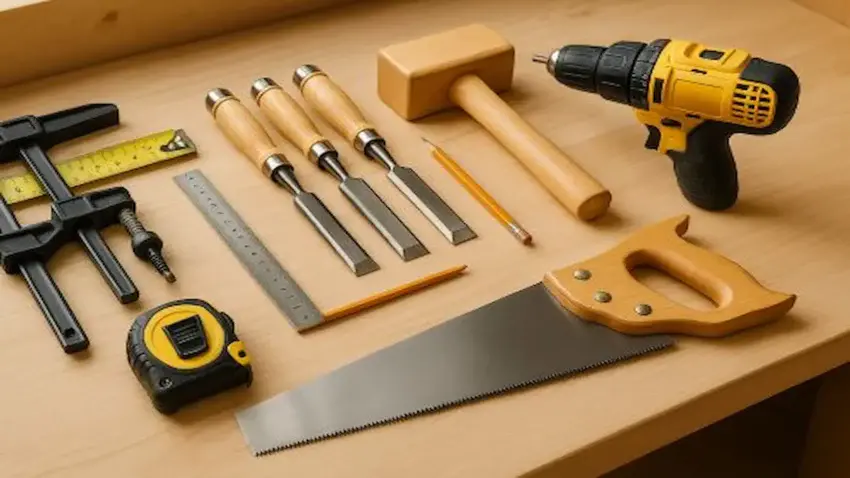
If you’re new to the craft, figuring out which essential woodworking tools you actually need can feel overwhelming — especially when every list online tries to sell you half a workshop worth of gear. The truth is, beginners only need a small handful of reliable tools to build real projects with confidence, accuracy, and safety.
This guide cuts through the noise and shows you the five tools that truly matter when you’re just starting out. No fluff, no gimmicks — just the core tools that make woodworking fun instead of frustrating. Whether you’re building your first birdhouse, a simple shelf, or a full display case, these essentials will help you measure accurately, cut cleanly, clamp securely, and bring your ideas to life.
Let’s take a look at the tools that every beginner woodworker should have in their shop…

⭐ How These Five Essential Woodworking Tools Work Together
These five essential woodworking tools are arranged in the order you’ll naturally use them during most beginner projects. You start by measuring accurately, then clamp your work securely so nothing shifts. Next comes drilling your pilot holes or driving your screws, followed by making your cuts with the jigsaw. Once the pieces are shaped, you finish by smoothing everything with a sander for clean, splinter-free surfaces.
This simple workflow keeps your projects accurate, predictable, and frustration-free — especially when you’re building your skills and confidence.
STANLEY FATMAX 25-Foot Tape Measure
Accurate measurements are the foundation of a solid bench build, and having a reliable tape measure makes every cut more confident.
The STANLEY FATMAX 25-Foot Tape Measure is tough, easy to read, and built to handle both indoor projects and outdoor jobsite conditions without skipping a beat.
🌟 Amazon Product Suggestion:
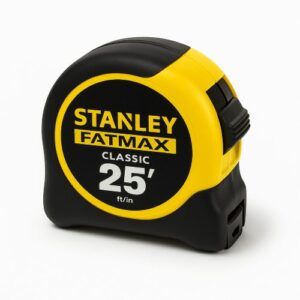
✔️ STANLEY FATMAX 25-Foot Tape Measure
A tough, reliable tape measure built for real job-site use. The STANLEY FATMAX 25′ delivers crisp easy-read markings, a strong standout, and the perfect length for woodworking and outdoor projects.
Why it’s great:
✔️ Heavy-duty, long-lasting construction
✔️ Easy-read numbers for quick measuring
✔️ 25-foot length covers indoor and outdoor builds
✔️ Smooth standout for measuring long boards solo
✔️ Trusted brand with thousands of great reviews
IRWIN QUICK-GRIP 6” One-Handed Mini Bar Clamp Set
Keeping parts aligned while glue sets is key to a sturdy, square bench, and that’s where dependable clamps come in.
The IRWIN QUICK-GRIP 6″ One-Handed Mini Bar Clamp Set lets you secure pieces quickly with one hand, making assembly smoother, faster, and far less frustrating.
🌟 Amazon Product Suggestion:
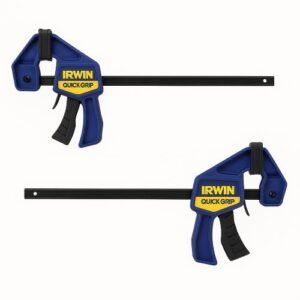
✔️ IRWIN QUICK-GRIP 6” One-Handed Mini Bar Clamp Set
(4-Pack)
These IRWIN Quick-Grip clamps are my go-to shop workhorses. Light, fast, and truly one-handed, they’re perfect for small builds like display cases, shelves, frames, and trim. Even with their compact size, they deliver solid pressure, lock cleanly, release smooth, and won’t dent your walnut thanks to the non-marring pads. If you want clamps you’ll actually enjoy using — these are the ones.
Why it’s great:
✔️One-handed operation makes positioning and clamping effortless
✔️Strong, consistent grip for small cabinet and display case build
✔️Soft, non-marring pads protect delicate woods like walnut and cherry
✔️Lightweight design lets you run several clamps at once without fatigue
✔️Perfect for tight spots where full-size bar clamps won’t fit
✔️Extremely reliable — no slipping, no bending, no cheap-plastic flex
✔️Great for beginners and pros who want fast, frustration-free clamping
INSPIRITECH 20V Cordless Drill
From drilling clean pilot holes to driving screws during assembly, a dependable cordless drill is a must-have for this project.
The INSPIRITECH 20V Cordless Drill delivers plenty of power, solid battery life, and the versatility needed to move smoothly from framing to final assembly without slowing you down.
🌟 Amazon Product Suggestion:
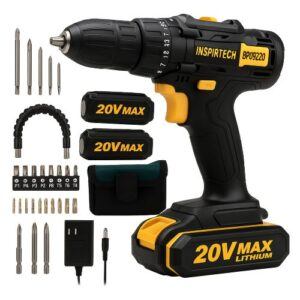
✔️ INSPIRITECH 20V Cordless Drill
(My Personal Choice!)
This is the cordless drill I use in my own shop, and it’s been rock-solid. The INSPIRITECH 20V kit includes two batteries, a charger, drill/driver bits, a flexible extension, and a handy tool bag. With 24 torque settings and a comfortable grip, it’s perfect for mailbox builds, repairs, and everyday woodworking.
Why it’s great:
✔️ Two 20V batteries — work nonstop
✔️ Includes bits, extension, and tool bag
✔️ Lightweight and easy to control
✔️ Strong enough for outdoor projects
✔️ Affordable, complete starter kit
SKIL 6-Amp Corded Jig Saw
🌟 Amazon Product Suggestion:
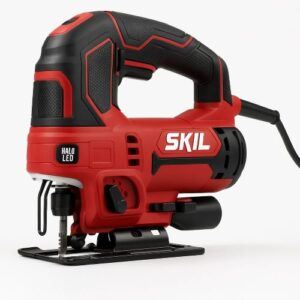
✔️ SKIL 6-Amp Corded Jig Saw
A dependable jigsaw with solid power and smooth control. The SKIL 6-Amp delivers clean curves, fast cuts, and easy bevel adjustments, making it a great all-around tool for woodworking and DIY projects.
Why it’s great:
✔️Powerful 6-amp motor for hardwoods and plywood
✔️4-stage orbital action for smooth or aggressive cutting
✔️Bright HALO LED for clear visibility on cut lines
✔️Tool-free bevel adjustment for quick angled cuts
✔️ Comfortable grip with low vibration for better accuracy
SKIL 5” Random Orbital Sander
Smooth surfaces make all the difference in how a finished bench looks and feels, especially when it’s meant for everyday use.
The SKIL 5″ Random Orbital Sander helps you quickly remove rough spots and tool marks while its cyclonic dust box keeps cleanup manageable and your workspace cleaner.
🌟 Amazon Product Suggestion:
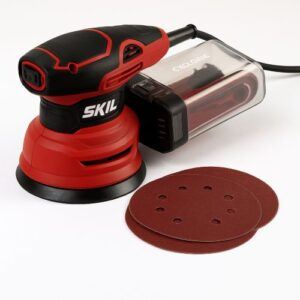
✔️ SKIL 5” Random Orbital Sander
(with Cyclonic Dust Box)
This SKIL 5” random-orbital sander is a killer little powerhouse — perfect for smoothing out your walnut display case, taking down glue squeeze-out, or prepping panels before finishing.
It’s compact, strong, and stupid-easy to control.
The built-in cyclonic dust box actually works (rare for budget sanders),
keeping the air cleaner while you work.
Why it’s great:
✔️ Random-orbit finish for smooth, swirl-free sanding
✔️Cyclonic dust box that actually traps dust
✔️Comfortable grip for long sanding sessions
✔️Variable speed for precise control on any wood
✔️Low vibration for accuracy and less fatigue
⭐ Woodshop Safety: 5 Deadly Don’ts Every Beginner Should Remember
Every woodshop is full of creative potential — but it also demands respect.
Skipping basic safety steps isn’t just careless, it’s dangerous.
To keep your projects fun and accident-free, here are five critical “don’ts” every woodworker should follow:
❌ Don’t skip protective gear
Goggles, hearing protection, gloves when appropriate, and a dust mask are your first line of defense.
They might not be glamorous, but they prevent splinters, flying debris, sawdust inhalation, and other avoidable injuries.
❌ Don’t use dull blades or bits
Dull tools force you to push harder, increasing the chances of binding, slipping, or kickback.
Sharp tools cut cleaner, safer, and with far more control.
❌ Don’t work in poor lighting
Shadows and dim corners make it easy to misread measurements or misjudge cuts.
Good lighting is one of the cheapest safety upgrades you can make — and one of the most effective.
❌ Don’t let clutter pile up
A messy shop isn’t just ugly — it’s a tripping hazard.
Scrap wood, loose cords, and scattered tools can cause slips, falls, or rushed decisions.
Keep your workspace clean and clear as you go.
❌ Don’t rush the process
Haste is behind more woodworking accidents than any tool.
Take your time, measure twice, cut once, and double-check tool setups before flipping a switch.
Patience is a powerful safety tool.
By keeping these simple rules in mind, you’ll protect yourself, stay confident in your shop, and focus on what really matters — building projects you’re proud of.
Final Thoughts…
Woodworking doesn’t need to feel overwhelming, especially when you’re just getting started.
With a dependable tape measure, solid clamps, a cordless drill, a quality sander,
and a beginner-friendly jigsaw, you can tackle a wide range of projects with confidence and control.
These tools create a strong foundation for a workshop that grows alongside your skills, one build at a time. Wherever you begin, the key is to keep building, keep learning, and enjoy the process —
Because every project you finish adds experience, confidence, and momentum for the next one.
 More Woodworking Projects You’ll Enjoy
Here are a few other beginner-friendly project ideas you can try next:
-
How to Build a Wooden Mailbox – A sturdy outdoor project that teaches accurate layout and assembly.
-
Build a Simple Wooden Toolbox – A classic beginner project and a great way to organize your tools.
-
DIY Display Case – Learn clean joinery with a project that looks great in any room.
-
Craft a Kids’ Stool in 5 Steps – A quick build that teaches essential cutting and measuring skills.
These projects help you grow your skills while creating something you’ll enjoy for years to come.
You got this!
 Craft it. Shape it. Own it!
 Need More Plans?
 Click here to learn more about Ted’s Woodworking Plans.
If you want access to hundreds of additional woodworking projects and detailed tutorials, check out my full review of Ted’s Woodworking Plans.
It’s packed with step-by-step builds that are perfect for weekend projects.

 Turn Your Woodworking Passion Into Income
Click here to learn more about Wealthy Affiliate.
SawdustSmarty.com started as a small hobby —
and it only grew once I finally learned how to build a real website.
If you’ve ever thought about turning woodworking into a side income, the training at Wealthy Affiliate is what I personally recommend.

This was a great read! I appreciated how you broke down the essential tools for woodworking, especially highlighting the versatility of the circular saw. Your emphasis on the importance of measuring tools and a sturdy workbench really resonated with me. I’m curious, do you have any recommendations for beginners on selecting the right chisel set? Thanks for sharing these insights!
Thank you for your comment, Bob Lynch… the only recommendations for beginners on selecting the right chisel set would be is too ALWAYS make sure your tools are clean and sharp before using. A dull chisel can be more dangerous than a sharp one. Take your time and learn how to use your shop tools correctly and safely.
Thanks again…
Wayne
It’s interesting to see how different woodworkers prioritize their essential tools: some swear by power tools while others lean heavily on hand tools. I’m curious, how did you narrow down this particular list? Do you think a beginner should invest in high-end versions of these tools right away, or start with budget-friendly options? In my experience, even a simple hand plane can drastically improve the finish quality, but the learning curve can be steep without proper guidance. I’d love to know what criteria you used when evaluating these tools: durability, versatility, ease of use? It’s a great conversation starter for anyone looking to set up a solid foundation in woodworking.
Thank you for your comment Slavisa…I narrowed this list down by the tools that I use most often in my personal shop. In my opinion, I believe a beginner should at least purchase tools somewhere in the middle; not too expensive but yet good quality tools they can grow their skills into. You are exactly right about the hand plane… it can improve the finish quality, but the important thing to know is, take your time and learn how to use your tools properly and safely!
Thanks again!
Wayne