
How To Make Simple Wooden Toys isn’t just a fun weekend project —
it’s one of the easiest ways to turn a few scrap boards into something kids will actually play with.
You don’t need fancy tools or expert woodworking skills to make these little cars, animals, and stackers.
Just some basic cuts, smooth edges, and a bit of creativity, and you can build toys that look great,
last forever, and feel good in your hands.
In this guide, I’ll walk you through simple toy ideas, beginner-friendly steps,
and pro tips to help you create wooden toys that are safe, sturdy, and ready for hours of play.
This project is part of our
beginner-friendly woodworking plans and tutorials here at Sawdust Smarty.
If you’re new to woodworking, you can explore more step-by-step projects
and learning guides on our main woodworking hub.

🧸 Why Make Simple Wooden Toys?
Simple wooden toys bring back that old-school charm you just can’t get from plastic.
They’re durable, quiet (your sanity thanks you), and surprisingly easy to make with basic tools.
You’re not carving museum pieces here — just clean shapes, smooth edges,
and solid toys that kids can push, pull, stack, and crash without breaking them in five minutes.
They’re also great scrap-wood projects.
A few small off-cuts can turn into cars, animals, blocks, or little pull toys.
It’s a fun way to practice your woodworking skills, use up leftovers in the shop,
and make something that actually gets used instead of tossed.
Materials & Tools You’ll Need
Before you start cutting out shapes and rounding edges,
gather everything you’ll need for these simple wooden toys.
The good news?
You don’t need much.
Most of this stuff is already in your shop,
and toys are small enough that scrap wood works perfectly.
Materials
-
Small scrap wood pieces (pine, poplar, maple, etc.)
-
Wooden wheels (optional)
-
Wood dowels for axles
-
Non-toxic wood finish (optional)
-
Wood glue
Tools
-
Jigsaw or bandsaw
-
Drill/driver
-
Sandpaper or a small orbital sander
-
Clamps
-
Pencil and paper for sketching shapes
-
A round-over bit (optional if you’re using a router)
Recommended Tools to Make This Project Easier
You don’t need a full shop to make simple wooden toys,
but having a few reliable tools makes your cuts cleaner,
your shapes smoother, and the whole build way more enjoyable.
These three tools do the heavy lifting on almost every toy you’ll make.
Tape Measure
Even simple toys need accurate measurements.
A good tape measure helps you keep your shapes consistent, line up wheel spacing,
and make sure everything fits the way it should.
Drill/Driver
Your drill is essential for making axle holes, starter holes for cutting out shapes, and attaching wheels.
A reliable drill keeps everything straight and prevents splitting small pieces of wood.
Sander
Sanding is the real magic in toy making.
A small orbital sander or hand sanding block smooths out edges, rounds corners,
and makes the toys safe for little hands.
Clean sanding is what separates a “shop scrap project” from a toy that actually looks finished.
🌟 Amazon Product Suggestion:
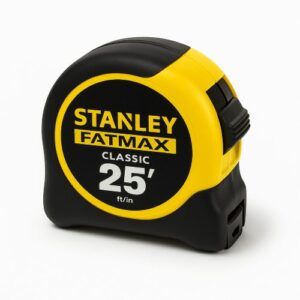
✔️ STANLEY FATMAX 25-Foot Tape Measure
A tough, reliable tape measure built for real job-site use.
The STANLEY FATMAX 25′ delivers crisp easy-read markings, a strong standout,
and the perfect length for woodworking and outdoor projects.
Why it’s great:
✔️ Heavy-duty, long-lasting construction
✔️ Easy-read numbers for quick measuring
✔️ 25-foot length covers indoor and outdoor builds
✔️ Smooth standout for measuring long boards solo
✔️ Trusted brand with thousands of great reviews
🌟 Amazon Product Suggestion:
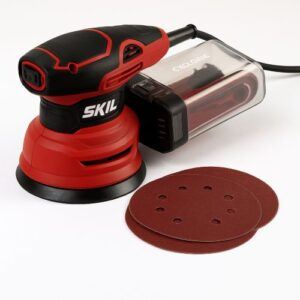
✔️ SKIL 5” Random Orbital Sander
(with Cyclonic Dust Box)
This SKIL 5” random-orbital sander is a killer little powerhouse —
perfect for smoothing out your walnut display case,
taking down glue squeeze-out, or prepping panels before finishing.
It’s compact, strong, and stupid-easy to control.
The built-in cyclonic dust box actually works (rare for budget sanders),
keeping the air cleaner while you work.
Why it’s great:
✓ Random-orbit finish for smooth, swirl-free sanding
✓ Cyclonic dust box that actually traps dust
✓ Comfortable grip for long sanding sessions
✓ Variable speed for precise control on any wood
✓ Low vibration for accuracy and less fatigue
🌟 Amazon Product Suggestion:
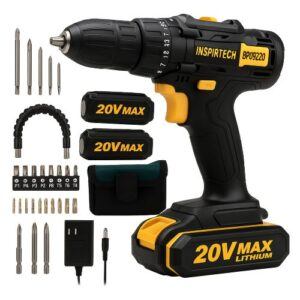
✔️ INSPIRITECH 20V Cordless Drill
(My Personal Choice!)
This is the cordless drill I use in my own shop, and it’s been rock-solid.
The INSPIRITECH 20V kit includes two batteries, a charger,
drill/driver bits, a flexible extension, and a handy tool bag.
With 24 torque settings and a comfortable grip, it’s perfect for mailbox builds,
repairs, and everyday woodworking.
Why it’s great:
✔️ Two 20V batteries — work nonstop
✔️ Includes bits, extension, and tool bag
✔️ Lightweight and easy to control
✔️ Strong enough for outdoor projects
✔️ Affordable, complete starter kit
🪵 Step 1: Choose Your Toy Shapes
Before you start cutting, decide what simple toy you want to make —
cars, trucks, animals, blocks, or a pull toy.
Keep the shapes simple:
rounded bodies, smooth curves, and blocky profiles work great for beginners.
Sketch your designs on paper or trace a template directly onto your wood.
This keeps your cuts clean and helps you stay consistent if you’re making more than one toy.
👉👉 Pro Tip: Simple outlines always look better.
Avoid tiny details — smooth curves make toys safer and easier to cut.
🔪 Step 2: Cut Out the Toy Shapes
With your outlines traced onto the wood, use your jigsaw to cut out each toy shape.
Take your time and follow the lines smoothly — let the blade do the work.
These toys don’t need perfect curves; they just need clean,
simple cuts that give you a solid starting shape.
Once all your pieces are cut, set them aside and get ready for sanding.
👉👉 Pro Tip: Make relief cuts on tight curves.
It keeps your blade from binding and gives you cleaner edges with way less frustration.
🪚 Step 3: Sand Everything Smooth
This is the step that turns rough cutouts into real toys.
Use your sander (or sanding block) to smooth every surface,
round the corners, and remove any sharp edges.
Kids’ toys need to feel good in the hand, so don’t rush this part —
smooth curves and soft edges make a huge difference.
Work through the surfaces, check your corners, and make sure every piece is kid-safe.
👉👉 Pro Tip: Hit the edges from multiple angles.
A quick pass from each direction gives you cleaner, rounder corners without over-sanding.
🔧 Step 4: Drill the Axle Holes (If Making Cars or Trucks)
For wheeled toys, mark your axle positions on both sides so the wheels sit evenly.
Use your drill to make clean, straight holes that match the size of your dowel axles.
Take your time lining things up — symmetrical axle holes make the toy roll straight and look right.
If you’re making animals, blocks, or pull toys, you can skip this step.
👉👉 Pro Tip: Drill halfway from one side, then flip the piece and drill from the other.
It keeps the holes straight and prevents tear-out.
🚗 Step 5: Install the Wheels (If Your Toy Has Them)
Slide your wooden wheels onto the dowel axles and test the fit.
You want them to spin freely without wobbling.
Once everything lines up, add a tiny dab of wood glue on the ends of the dowels
and press on small wooden caps or pegs to lock the wheels in place.
Let them dry before rolling the toy across the bench.
👉👉 Pro Tip: Don’t glue the wheels themselves — only the caps.
That keeps the wheels spinning smooth instead of locking up.
🎨 Step 6: Add Any Finishing Touches
Once the toy is fully assembled, give it a final once-over.
Smooth any spots you missed, wipe off the dust,
and add a kid-safe finish if you want a little color or shine.
Natural oil, beeswax, or a non-toxic toy finish will protect the wood
while keeping that classic handmade look.
👉👉 Pro Tip: Keep finishes light.
A thin coat dries faster and won’t gum up the wheels or moving parts.
 Related Beginner Woodworking Projects
If you enjoyed building these simple wooden toys,
here are a few other beginner-friendly woodworking projects that
build similar skills and confidence:
How To Build Your Own Whirligig
DIY Wooden Toolbox
Make a Wood Picture Frame
Final Thoughts…
Making simple wooden toys is one of those projects that brings out the fun side of woodworking.
You get to be creative, use up scrap wood,
and build something that actually gets played with — not tossed in a drawer.
Whether it’s a little car, a pull toy, or a stacker,
these projects teach you useful shop skills while giving kids something sturdy and handmade.
Little projects today become big memories tomorrow.
 Craft it. Shape it. Own it!
 Need More Plans?
 Click here to learn more about Ted’s Woodworking Plans.
If you want access to hundreds of additional woodworking projects and detailed tutorials,
check out my full review of Ted’s Woodworking Plans.
It’s packed with step-by-step builds that are perfect for weekend projects.

 Turn Your Woodworking Passion Into Income
Click here to learn more about Wealthy Affiliate.
SawdustSmarty.com started as a small hobby —
and it only grew once I finally learned how to build a real website.
If you’ve ever thought about turning woodworking into a side income,
the training at Wealthy Affiliate is what I personally recommend.
