

Knowing how to finish wood properly is what turns a basic woodworking project into something that looks refined, holds up over time, and actually feels complete.
From staining and sealing to protecting the surface from wear and moisture,
the finishing process plays a huge role in both the appearance and durability of your work.
Whether you’re building furniture, shop projects, or small DIY pieces, learning how to finish wood properly helps you bring out the natural grain, avoid blotchy results, and lock in a smooth,
professional-looking surface.
This guide walks you through the essential steps of wood finishing —
From surface prep and stain application to sealing and long-term protection —
So, your project looks good now and stays that way for years.

🧴 Tools & Supplies for a Clean, Professional Wood Finish
Before you start staining and sealing,
having the right finishing supplies on hand makes a huge difference in how your project turns out.
The products below cover the entire wood finishing process.
From preventing blotchy stain absorption to applying color evenly and
locking in a durable protective coat.
All without overcomplicating things.
These are reliable, beginner-friendly picks that work well for furniture,
shop projects, and everyday DIY builds.
If you want smoother results, better color control, and a finish that actually lasts,
these are smart tools to start with.
 Amazon Product Suggestion:
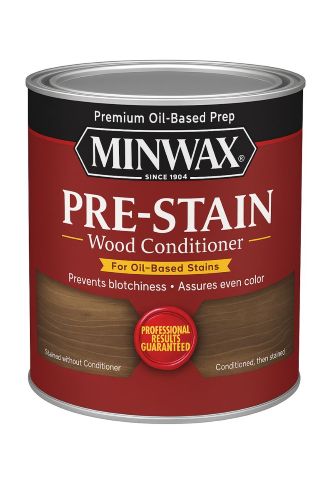
✔Minwax Pre-Stain Wood Conditioner
(Oil-Based, 1 Quart)
A simple but powerful prep step that helps prevent blotchy, uneven stain results —
Especially on softwoods like pine, maple, and birch.
Minwax Pre-Stain Wood Conditioner partially seals the wood surface, allowing stain to absorb more evenly and giving you better control over color and consistency.
Why it’s great:
✔ Helps prevent blotchy and uneven stain absorption
✔ Improves color consistency on soft and porous woods
✔ Easy brush-on application with quick dry time
✔ Designed to work seamlessly with oil-based wood stains
✔ Ideal for furniture, shop projects, and DIY builds
🌟 Amazon Product Suggestion:

✔ Minwax Wood Finish Oil-Based Stain
(1 Quart)
A classic, easy-to-use wood stain that delivers rich color while enhancing the natural grain of the wood. Minwax Wood Finish penetrates deeply for consistent results and works especially well when applied after a pre-stain conditioner, making it a dependable choice for both beginners and experienced woodworkers.
Why it’s great:
✔ Deep-penetrating formula enhances natural wood grain
✔ Wide range of color options to match any project style
✔ Easy application with brush or rag
✔ Pairs perfectly with pre-stain conditioner for even results
✔ Ideal for furniture, cabinets, and shop projects
🌟 Amazon Product Suggestion:
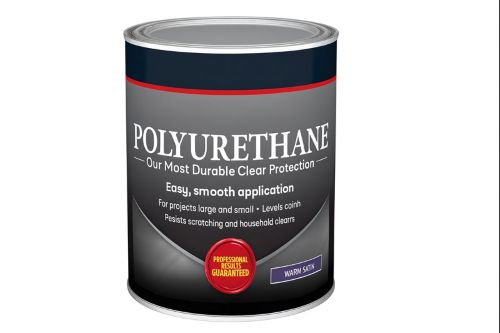
✔ Minwax Fast-Drying Polyurethane
(Warm Satin, 1 Quart)
A durable clear finish that protects your project while giving it a smooth, professional-looking surface. Minwax Fast-Drying Polyurethane is easy to apply, levels out well, and dries quickly between coats — Making it a great option for furniture, tabletops, and shop projects that need long-lasting protection.
Why it’s great:
✔ Provides strong protection against wear, moisture, and scratches
✔ Fast-drying formula allows multiple coats in one day
✔ Satin sheen hides minor imperfections better than gloss
✔ Applies smoothly with minimal brush marks
✔ Ideal for furniture, tabletops, and high-use projects
🌟 Amazon Product Suggestion:
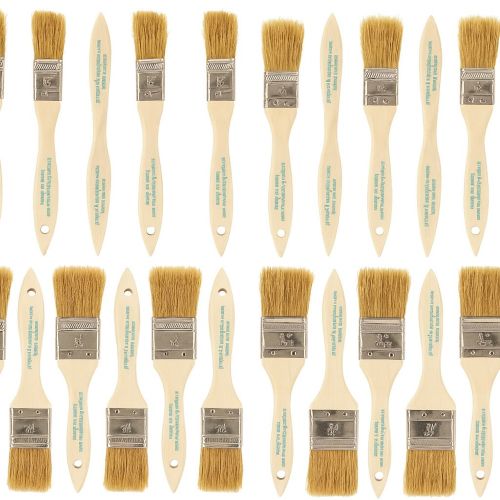
✔ Natural Bristle Chip Brush Set
(Multiple Sizes)
A versatile set of natural bristle chip brushes that’s perfect for staining, sealing, and applying finishes without fuss. These brushes are ideal for wood stain, polyurethane, shellac, glue, and other shop tasks where precision matters—but cleanup doesn’t need to be precious.
Designed with natural bristles that hold finish well and lay it down evenly, these chip brushes make quick work of messy jobs and detailed touch-ups alike. With multiple sizes included, you’ll always have the right brush for wide surfaces, edges, and tight corners.
Why it’s great:
✔ Natural bristles work especially well with oil-based stains and finishes
✔ Multiple brush sizes for wide coverage and detailed work
✔ Ideal for stain, polyurethane, shellac, glue, and sealers
✔ Disposable-friendly for fast, no-cleanup projects
✔ Affordable shop staple every woodworker should keep on hand
🪵 Section 1: Surface Prep (Don’t Skip This Step)
A clean, smooth surface is the foundation of a good wood finish.
No stain or sealer can hide tear-out, glue residue, or rough sanding marks,
so taking a little time to prep your project properly pays off in the final result.
Start by sanding the entire surface evenly,
working through the grits rather than jumping straight to fine sandpaper.
For most projects, sanding to 180 or 220 grit is enough to smooth the wood without closing off the grain. Pay extra attention to edges and end grain, since these areas absorb stain faster and can darken unevenly.
Once sanding is complete, remove all dust before moving on.
Use a vacuum, compressed air, or a tack cloth to clear the surface —
Leftover dust can create rough spots and streaks in the finish.
If you’re working with softwoods like pine or birch, this is also the point where a
pre-stain wood conditioner becomes especially important to help control stain absorption.
👉👉 Pro Tip: Lightly dampening the surface with a clean cloth before the final sanding
can raise loose wood fibers.
After it dries, a quick pass with fine sandpaper leaves a smoother surface that accepts stain more evenly.
🧴 Section 2: Applying Pre-Stain Wood Conditioner
Pre-stain wood conditioner is a simple step that makes a big difference,
especially when working with softwoods or uneven-grain hardwoods.
It helps control how quickly stain is absorbed,
reducing dark patches and blotchy results before they happen.
To apply, stir the conditioner thoroughly and brush on a liberal,
even coat following the direction of the grain.
Make sure the entire surface is covered — Missed spots can still absorb stain unevenly.
Let the conditioner soak in for the amount of time recommended on the label,
usually around 5 to 15 minutes.
After the conditioner has penetrated, wipe off any excess with a clean cloth.
Stain should be applied while the wood is still within the manufacturer’s recommended window,
typically within two hours.
Waiting too long can reduce how well the stain penetrates and may lead to lighter-than-expected color.
👉👉 Pro Tip: Always test the conditioner and stain on a scrap piece of the same wood first.
Different species — and even different boards — can absorb finish differently,
so, a quick test helps you dial in the look before committing to the full project.
🎨 Section 3: Staining the Wood for Even Color
Staining is where your project really starts to come to life,
but it’s also where uneven color can show up if you rush the process.
After applying pre-stain conditioner, stain should go on smoothly and consistently to achieve an even, professional-looking finish.
Apply the stain using a brush or clean rag, working with the grain and keeping a wet edge as you go. Avoid flooding the surface — too much stain can pool in low spots and darken unevenly.
Once the surface is fully coated,
allow the stain to sit for a few minutes before wiping off the excess with a clean cloth.
The longer the stain sits, the darker the color will be.
Work in manageable sections and wipe consistently so the color stays uniform across the entire surface.
If deeper color is desired, allow the first coat to dry completely before applying an additional coat rather than letting a single coat sit too long.
👉👉 Pro Tip: End grain absorbs stain much faster than face grain. Lightly sanding end grain to a finer grit — or giving it an extra coat of pre-stain conditioner — helps prevent it from turning noticeably darker than the rest of the project.
🛡️ Section 4: Sealing and Protecting the Finish
Once the stain has fully dried, it’s time to seal the wood and protect your hard work.
A clear protective finish, such as polyurethane,
adds durability while preserving the color and grain you’ve already achieved.
Skipping this step leaves the surface vulnerable to moisture, scratches, and everyday wear.
Apply the sealer using smooth, even strokes, working with the grain and avoiding over-brushing.
Thin coats are better than heavy ones, as they dry faster and reduce the chance of runs or brush marks. Allow each coat to dry fully according to the manufacturer’s instructions,
then lightly scuff sand with fine-grit sandpaper or a sanding sponge before applying the next coat.
Most projects benefit from two to three coats of sealer,
especially surfaces that will see regular use like tabletops, shelves, or workbenches.
Take your time between coats —
Rushing this step can trap dust or leave a cloudy finish that’s hard to fix later.
👉👉 Pro Tip: If you’re finishing a high-use surface, apply the final coat with extra care
and minimal pressure.
Let the finish level itself rather than brushing it repeatedly —
This helps create a smoother, more professional-looking surface.
⚠️ Section 5: Common Wood Finishing Mistakes to Avoid
Even good materials and quality products can’t fix simple finishing mistakes.
Most problems with stain and clear finishes come from rushing steps or skipping prep,
not from using the “wrong” product.
One of the most common mistakes is inadequate surface preparation.
Skipping grits, sanding unevenly, or leaving dust on the surface almost always leads to
visible flaws once the finish is applied.
Another frequent issue is over-applying stain or sealer.
Heavy coats don’t improve results —
Instead, they increase the chances of blotching, runs, and sticky surfaces that take forever to dry.
Applying finishes outside the recommended time windows is another problem area.
Staining too long after applying pre-stain conditioner,
recoating before the previous layer has cured or finishing in dusty or humid conditions can all compromise the final look.
Temperature and airflow matter more than most people realize.
👉👉 Pro Tip: If something looks wrong while you’re finishing, stop and let it dry before trying to fix it. Many issues — like uneven sheen or brush marks —
can be corrected with light sanding and another thin coat, but only after the finish has fully cured.
🔚 Final Thoughts…
Finishing wood doesn’t have to be complicated, but it does require patience and the right approach.
By taking the time to prep the surface, control stain absorption, and apply protective coats properly,
you give your project the best chance to look good and hold up over time.
Whether you’re working on furniture, shop projects, or small DIY builds,
following a consistent finishing process leads to smoother results and fewer surprises.
With the right supplies and a step-by-step approach, wood finishing becomes less stressful and a lot more rewarding — and your projects will show it.
 More Woodworking Projects You’ll Enjoy
Here are a few other beginner-friendly project ideas you can try next:
-
How to Build a Wooden Mailbox – A sturdy outdoor project that teaches accurate layout and assembly.
-
Build a Simple Wooden Toolbox – A classic beginner project and a great way to organize your tools.
-
DIY Display Case – Learn clean joinery with a project that looks great in any room.
-
Craft a Kids’ Stool in 5 Steps – A quick build that teaches essential cutting and measuring skills.
These projects help you grow your skills while creating something you’ll enjoy for years to come.
You got this!
 Craft it. Shape it. Own it!
 Need More Plans?
 Click here to learn more about Ted’s Woodworking Plans.
If you want access to hundreds of additional woodworking projects and detailed tutorials, check out my full review of Ted’s Woodworking Plans.
It’s packed with step-by-step builds that are perfect for weekend projects.

 Turn Your Woodworking Passion Into Income
Click here to learn more about Wealthy Affiliate.
SawdustSmarty.com started as a small hobby —
and it only grew once I finally learned how to build a real website.
If you’ve ever thought about turning woodworking into a side income, the training at Wealthy Affiliate is what I personally recommend.
