

When it comes to hand tools, few are as versatile — or as misunderstood — as wood chisels. Understanding the difference between wood chisels isn’t just about tool preference;
it directly affects accuracy, control, and the quality of your finished work. From bevel-edge chisels used for fine joinery to mortise chisels built for heavy chopping, each type is designed for a specific task. Choosing the right chisel can mean cleaner joints, safer cuts, and far less frustration at the bench.

Essential Tools for Working With Wood Chisels
To get the best performance from any chisel, you need more than just the chisel itself.
A good starter set, a reliable sharpening system, and a proper strop all work together to keep your edges sharp, safe, and ready for clean cuts.
Below are the must-have tools that every beginner should have on their bench.
Hurricane 4-Piece Wood Chisel Set
A solid starter set with the four most useful chisel sizes for everyday woodworking.
Durable CR-V steel and comfortable handles make it a great beginner-friendly choice.
 Amazon Product Suggestion:
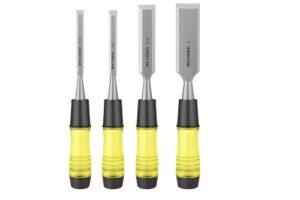
 Hurricane 4-Piece Wood Chisel Set
(CR-V Steel)
A sharp set of chisels is absolutely essential for dovetails, and this Hurricane set delivers serious performance on a budget. CR-V steel holds an edge well, the handles are tough, and the size selection hits every dovetail task — from cleaning waste to paring to your shoulder lines.
Why It’s Great:
Essential for tight joinery and clean-up work
Perfect for frame notches, mortises, and bevel adjustments
A versatile staple for any serious woodworking project
Durable enough for hardwoods and marine ply
Diamond Sharpening Stone Set
A complete diamond plate set covering every grit you need to reshape, sharpen,
and polish your chisels fast and accurately.
Amazon Product Suggestion:
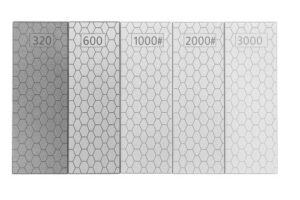
Diamond Sharpening Stone Set
(320–3000 Grit)
This 5-piece diamond sharpening stone set gives you every grit you need to keep your chisels, plane irons, and marking tools razor-sharp. From aggressive shaping at 320 grit to ultra-fine polishing at 3000 grit, these plates cut fast, stay flat, and never dish out like traditional water stones.
Whether you’re honing edge tools in the shop or touching up kitchen knives, these stones deliver consistent, reliable results without the mess.
Why It’s Great:
Full grit range: 320, 600, 1000, 2000, 3000
Faster cutting action than water stones
Stays flat — no soaking, no flattening needed
Perfect for chisels, plane irons, knives, and marking tools
Compact, durable, and ideal for small shops
ATLIN Honing Guide
This honing guide keeps your chisel locked at the perfect angle, making sharpening easier,
faster, and more consistent every time.
Amazon Product Suggestion:
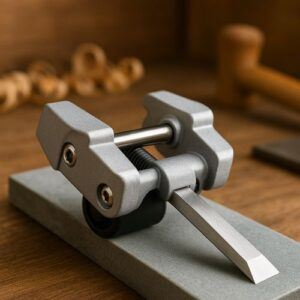
ATLIN Honing Guide
(Sharpening Jig for Chisels & Plane Blades)
The ATLIN Honing Guide is a rock-solid sharpening jig designed to lock your chisels and plane irons at the perfect angle for razor-sharp edges. Whether you’re new to sharpening or just want dead-consistent results, this jig keeps everything square, steady, and repeatable.
Why It’s Great:
Perfect Sharpening Angles Every Time
Works With Most Chisels & Plane Irons
Heavy-Duty Aluminum Build
Easy Setup & Adjustments
Ideal for Water Stones, Diamond Plates & Oil Stones
SHARPAL 205H Double-Sided Leather Strop Kit
A simple all-in-one kit that polishes your chisel edges to a razor finish and keeps them
cutting smoothly between sharpenings.
Amazon Product Suggestion:
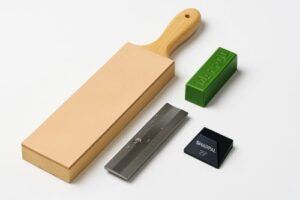
SHARPAL 205H Double-Sided Leather Strop Kit
This SHARPAL 205H strop kit is a rock-solid choice for putting the final razor polish on your chisels, plane irons, and carving tools. The double-sided genuine cowhide gives you a coarse side for fast refinement and a smooth side for mirror finishing.
The included green polishing compound makes it stupid-easy to get a razor edge, and the angle guide helps beginners hit the right bevel every time.
Why it’s great:
Double-sided strop for fast honing and final polish
Genuine cowhide for smooth, consistent results
Includes polishing compound & angle guide
Large 13.2″ size — plenty of room for plane irons and chisels
Perfect for woodworking tools, knives, and carving tools
⭐ Understanding the Different Types of Wood Chisels
Types of Wood Chisels Explained
Wood chisels come in a variety of shapes, sizes, and strengths —
and each one is built with a specific purpose in mind.
Knowing the differences helps you work cleaner, safer, and with far more control.
Here are the main types woodworkers use most often:
1. Bench Chisels
Bench chisels are the “do-everything” chisels. They’re great for general woodworking, trimming, chopping, and cleaning up joints. If you’re only buying one set, start here.
2. Mortise Chisels
These chisels have a thick, reinforced blade designed for cutting deep mortises.
They can take mallet blows without flexing, making them ideal for joinery that requires strength and durability.
3. Paring Chisels
Long, thin, and lightweight — paring chisels are made for controlled hand-pressure only.
They’re perfect for delicate trimming, fitting tenons, and shaving thin layers of wood.
4. Skew Chisels
These chisels have angled edges that allow you to get into tight corners and hard-to-reach spots.
They’re especially useful for dovetails, hinge recesses, and decorative work.
5. Firmer Chisels
With thicker blades and straight edges, firmer chisels handle heavier chopping tasks.
A solid choice when you need stiffness and strength.
6. Carving Chisels
These come in all sorts of shapes — gouges, V-tools, sweep chisels —
and are meant for detailed decorative carving rather than joinery.
Understanding these types makes it much easier to choose the right chisel for the job and avoid damaging your tools or your project.
⭐ 10 Steps: How to Choose the Right Wood Chisels
1. Decide What Type of Work You’ll Be Doing
Joinery?
Carving?
General woodworking?
Match your chisel type to your most common tasks.
2. Start With a Bench Chisel Set
Every beginner should have bench chisels —
they’re the core of your woodworking toolkit.
3. Look for Quality Steel
CR-V and high-carbon steel are common for beginners.
Higher-end options like O1 and A2 steel hold an edge even longer.
4. Choose Comfortable Handles
Plastic, wood, and rubber handles all work —
comfort and grip matter more than style.
5. Check the Bevel Angle
Common bevels range from 25°–30°.
Lower angles cut more easily; higher angles hold up better to harder woods.
6. Make Sure the Backs Are Flat
A flat back saves time when sharpening — avoid warped or bowed blades.
7. Consider the Sizes You’ll Use Most
¼”, ½”, ¾”, and 1″ cover most joinery tasks. Bigger chisels are specialty tools.
8. Don’t Overpay Early On
Start with a reliable beginner set until you learn sharpening and technique.
Upgrade later if needed.
9. Buy Tools That Fit Your Sharpening Setup
Diamond stones, water stones, or oil stones —
just make sure your chisels match your sharpening system.
10. Always Budget for Sharpening Gear
Sharp chisels are safer and easier to use than dull ones.
A honing guide and strop turn a cheap set into a clean-cutting set.
⭐ Double-Finger Pro Tips 🤘🤘
• Sharp solves more problems than expensive
A $30 chisel that’s properly sharpened will outperform a $200 dull one every single time.
• Never pry sideways with a chisel
Chisels are designed to cut — not to pry.
Side pressure bends edges fast.
• Let the bevel do the work
Don’t fight the cut.
Angle the chisel so the bevel controls the depth.
• Learn to sharpen early
Sharpening is the secret cheat code of woodworking.
Once you get it, everything gets easier.
• Keep a light grip
White-knuckle grip = choppy cuts.
Relaxed grip = smooth, controlled shaving.
⭐ Final Thoughts…
Choosing the right set of wood chisels isn’t complicated once you understand what each type is made for. Start with a solid bench chisel set, learn how to sharpen them properly, and add specialty chisels as your skills grow. With the right setup — and a sharp edge — you’ll make cleaner joints, better-fitting parts,
and projects you can be proud of.
If this is your first time shopping for chisels, the tools listed above will give you
everything you need to get started the right way.
 More Woodworking Projects You’ll Enjoy
Here are a few other beginner-friendly project ideas you can try next:
-
How to Build a Wooden Mailbox – A sturdy outdoor project that teaches accurate layout and assembly.
-
Build a Simple Wooden Toolbox – A classic beginner project and a great way to organize your tools.
-
DIY Display Case – Learn clean joinery with a project that looks great in any room.
-
Craft a Kids’ Stool in 5 Steps – A quick build that teaches essential cutting and measuring skills.
These projects help you grow your skills while creating something you’ll enjoy for years to come.
You got this!
 Craft it. Shape it. Own it!
 Need More Woodworking Plans?
 Click here to learn more about Ted’s Woodworking Plans:
If you want hundreds of additional project ideas with clear step-by-step instructions, my full review breaks down exactly what you get inside Ted’s Woodworking Plans.
It’s a great resource if you like weekend builds, simple jigs, or classic shop projects.
Check out the full review here → Ted’s Woodworking Plans

 Turn Your Woodworking Passion Into Income
Click here to learn more about Wealthy Affiliate
SawdustSmarty started as a simple hobby.
It grew because I finally learned how to build a real website — the right way. If you’ve ever thought about turning woodworking into a side business or income stream, Wealthy Affiliate is the training I personally recommend.
Click here to read more → Wealthy Affiliate
