
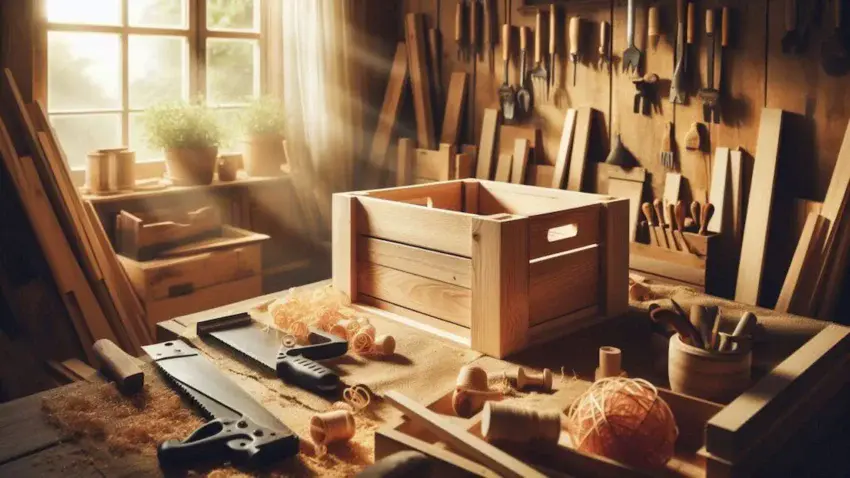
If you’re anything like me, tools, scraps, and random odds and ends don’t take long to pile up around the workshop —
Or even around the house.
The solution?
A solid, good-looking storage crate you can build yourself in a single afternoon.
This DIY storage crate with handles is more than just a box.
It’s a versatile, beginner-friendly project that works almost anywhere —
From the shop to the kitchen, living room, or garden shed.
It’s easy to build, fully customizable, and perfect for rustic stains, bold paint,
or a simple natural finish that lets the wood speak for itself.

Why Build Your Own Storage Crate?
Sure, you can buy crates at the store, but those are often made of thin plywood or MDF,
and they just don’t hold up.
When you build it yourself, you get:
- Durability: Solid wood construction that’s built to last.
- Customization: Choose your size, wood type, stain, or paint.
- Cost savings: Use scrap wood or affordable pine to keep costs low.
- Satisfaction: There’s nothing like using something you made with your own two hands.
🧰 Tools You’ll Need for This Build
Before you start cutting and assembling your storage crate, it helps to have a few dependable tools within reach.
A tape measure keeps your cuts accurate, clamps hold everything square while you assemble,
and a cordless drill makes fastening quick and consistent —
Covering the basics you need to build a sturdy crate without overcomplicating the process.
STANLEY FATMAX 25-Foot Tape Measure
Accurate measurements are the foundation of a solid bench build, and having a reliable tape measure makes every cut more confident.
The STANLEY FATMAX 25-Foot Tape Measure is tough, easy to read, and built to handle both indoor projects and outdoor jobsite conditions without skipping a beat.
 Amazon Product Suggestion:
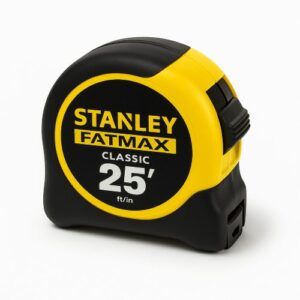
 STANLEY FATMAX 25-Foot Tape Measure
A tough, reliable tape measure built for real job-site use. The STANLEY FATMAX 25′ delivers crisp easy-read markings, a strong standout, and the perfect length for woodworking and outdoor projects.
Why it’s great:
Heavy-duty, long-lasting construction
Easy-read numbers for quick measuring
25-foot length covers indoor and outdoor builds
Smooth standout for measuring long boards solo
Trusted brand with thousands of great reviews
IRWIN QUICK-GRIP 6” One-Handed Mini Bar Clamp Set
Keeping parts aligned while glue sets is key to a sturdy, square bench, and that’s where dependable clamps come in.
The IRWIN QUICK-GRIP 6″ One-Handed Mini Bar Clamp Set lets you secure pieces quickly with one hand, making assembly smoother, faster, and far less frustrating.
Amazon Product Suggestion:
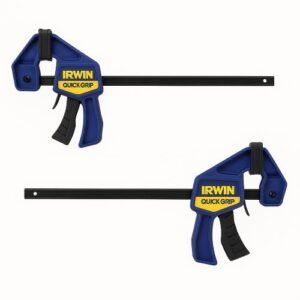
IRWIN QUICK-GRIP 6” One-Handed Mini Bar Clamp Set
(4-Pack)
These IRWIN Quick-Grip clamps are my go-to shop workhorses. Light, fast, and truly one-handed, they’re perfect for small builds like display cases, shelves, frames, and trim. Even with their compact size, they deliver solid pressure, lock cleanly, release smooth, and won’t dent your walnut thanks to the non-marring pads. If you want clamps you’ll actually enjoy using — these are the ones.
Why it’s great:
One-handed operation makes positioning and clamping effortless
Strong, consistent grip for small cabinet and display case build
Soft, non-marring pads protect delicate woods like walnut and cherry
Lightweight design lets you run several clamps at once without fatigue
Perfect for tight spots where full-size bar clamps won’t fit
Extremely reliable — no slipping, no bending, no cheap-plastic flex
Great for beginners and pros who want fast, frustration-free clamping
INSPIRITECH 20V Cordless Drill
From drilling clean pilot holes to driving screws during assembly, a dependable cordless drill is a must-have for this project.
The INSPIRITECH 20V Cordless Drill delivers plenty of power, solid battery life, and the versatility needed to move smoothly from framing to final assembly without slowing you down.
Amazon Product Suggestion:
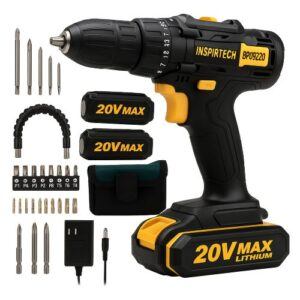
INSPIRITECH 20V Cordless Drill
(My Personal Choice!)
This is the cordless drill I use in my own shop, and it’s been rock-solid. The INSPIRITECH 20V kit includes two batteries, a charger, drill/driver bits, a flexible extension, and a handy tool bag. With 24 torque settings and a comfortable grip, it’s perfect for mailbox builds, repairs, and everyday woodworking.
Why it’s great:
Two 20V batteries — work nonstop
Includes bits, extension, and tool bag
Lightweight and easy to control
Strong enough for outdoor projects
Affordable, complete starter kit
🧰 What You’ll Need
Materials:
- (3) 1″ x 4″ x 36″ pine boards (or your wood of choice)
- (1) 1″ x 2″ x 36″ board (for handle supports)
- Wood glue
- 1¼” brad nails or wood screws
- Sandpaper (80 and 150 grit)
- Wood stain or paint (optional)
- Wood filler (optional)
Tools:
- Miter saw or hand saw
- Sander or sanding block
- ¾” Forstner bit or hole saw (for handles)
🔨 Step-by-Step Instructions:
Step 1: Cut Your Wood
You can adjust the measurements to make your crate larger or smaller,
but here’s a standard size that works great:
- Bottom: (3) pieces @ 16″ (from 1x4s)
- Sides (long): (6) pieces @ 18″ (from 1x4s)
- Sides (short): (6) pieces @ 12½” (from 1x4s)
- Corner supports: (4) pieces @ 10″ (from 1x2s)
These dimensions will give you a crate that’s roughly 18″ long x 13″ wide x 10″ tall.
Step 2: Assemble the Bottom
Lay the three bottom boards flat, side-by-side. Apply wood glue between them, clamp if needed, and reinforce the joint with two short boards (or cleats) screwed underneath to keep them aligned.
You could also use pocket holes or biscuit joints if you’re feeling fancy — but for a rustic crate, glue and a couple of screws will do just fine.
Step 3: Build the Sides
Now let’s build the four side walls.
Each side consists of three 1×4 boards stacked horizontally.
- First, attach the 1×2 corner supports to the inside edges of the short side panels.
- Next, attach the short sides to the ends of the bottom panel.
- Then, attach the long sides, making sure the boards are flush and square.
Use glue and brad nails (or screws) to secure everything.
Step 4: Add the Handles
Handles make your crate easy to grab and move. You’ve got a couple of options here:
Option A: Cut-out handles
Measure and mark a center point on each long side, about 2″ down from the top board. Use a ¾” spade bit or hole saw to drill two holes about 4″ apart, then connect them using a jigsaw to create a smooth, oval handle. Sand the edges well.
Option B: Rope handles
Drill two holes on each side and thread through thick rope, tying a knot inside to keep it from pulling out. This adds a rustic charm and a softer grip.
Step 5: Sand It Down
Start with 80-grit sandpaper to knock down any rough edges, then finish with 150-grit for a smoother feel. Focus especially on the corners, edges, and handles. You don’t want any splinters sneaking up on you.
Step 6: Finish It Your Way
You can go a lot of directions here:
- Rustic: Use a dark walnut or espresso stain, then scuff the edges lightly for a weathered look.
- Modern: Paint it solid black, white, or gray for a sleek vibe.
- Natural: Just seal it with a clear polyurethane and let the grain show off.
If it’s for indoor use, a simple finish will do.
If it’s going in a shed or garage, consider a more durable outdoor sealant.
🪚 Bonus Ideas: How to Use Your Crate
Once you’ve built one, chances are you’ll want to make a few more.
These crates are surprisingly handy.
Here’s how people use them:
- Tool or hardware storage
- Kids’ toy box
- Firewood holder
- Pantry organizer
- Blanket bin for the living room
- Garden crate for harvested produce
- DIY gift basket
✅ Tips and Tricks
- Always pre-drill if using screws to prevent splitting.
- Clamp your pieces during assembly for tight joints.
- Add felt pads or rubber feet if it’ll sit on hardwood floors.
- Make stackable crates by cutting small notches in the corner supports.
🪵Final Thoughts…
There you have it — A sturdy, simple, and genuinely useful DIY storage crate with handles that you can build in just a few hours.
Whether you’re organizing tools in the garage, corralling craft supplies,
or adding a touch of rustic character to your home, this crate is built to handle it.
Once you make one, you’ll quickly see how easy it is to adapt the design for different spaces and needs. Change the size, switch up the finish, and make it your own —
That’s the real satisfaction that comes with DIY.
 More Woodworking Projects You’ll Enjoy
Here are a few other beginner-friendly project ideas you can try next:
-
How to Build a Wooden Mailbox – A sturdy outdoor project that teaches accurate layout and assembly.
-
Build a Simple Wooden Toolbox – A classic beginner project and a great way to organize your tools.
-
DIY Display Case – Learn clean joinery with a project that looks great in any room.
-
Craft a Kids’ Stool in 5 Steps – A quick build that teaches essential cutting and measuring skills.
These projects help you grow your skills while creating something you’ll enjoy for years to come.
You got this!
 Craft it. Shape it. Own it!
 Need More Plans?
 Click here to learn more about Ted’s Woodworking Plans.
If you want access to hundreds of additional woodworking projects and detailed tutorials, check out my full review of Ted’s Woodworking Plans.
It’s packed with step-by-step builds that are perfect for weekend projects.

 Turn Your Woodworking Passion Into Income
Click here to learn more about Wealthy Affiliate.
SawdustSmarty.com started as a small hobby —
and it only grew once I finally learned how to build a real website.
If you’ve ever thought about turning woodworking into a side income, the training at Wealthy Affiliate is what I personally recommend.
