
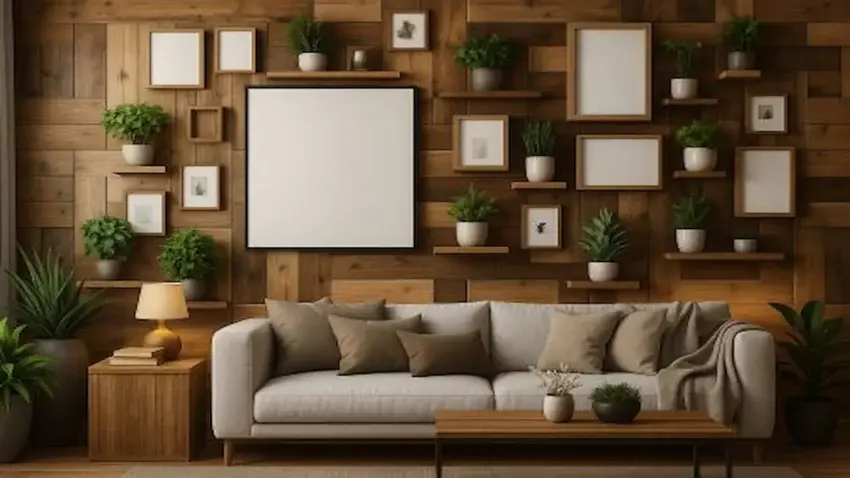
A Custom Wood Accent Wall is one of those projects that instantly transforms a boring room into a warm, textured, conversation-starting space. Whether you’re going for rustic cabin charm, modern geometric patterns, or something totally your own, this is a project that delivers massive visual impact without requiring a full remodel. With a few tools, the right materials, and a little creativity, you can build a wall that makes your whole room feel handcrafted and intentional — the kind of upgrade that makes guests stop and say,
“Dang… you built that?”

🌿 Why Build a Custom Wood Accent Wall?
A wood accent wall does more than just look good — it completely changes the mood of a room.
Wood adds warmth, depth, and character in a way paint or wallpaper just can’t touch.
You can create geometric patterns, mix different tones of lumber, or keep it clean and simple with horizontal or vertical planks.
Whether you’re trying to cozy up a living room, add personality to a bedroom, or highlight a fireplace or TV area, an accent wall is one of the easiest ways to make a space feel “designed.”
And since you’re building it yourself, you can tailor every detail — from board widths to stain colors — to match your exact style.
🧰 Tools & Materials You’ll Need
Before you start putting boards on the wall, make sure you’ve got everything ready to roll.
A wood accent wall goes together smoothly when your tools are dialed in, and your materials are prepped.
Here’s what most DIYers use to build a clean, professional-looking wall:
Tools
-
Tape measure
-
Level or laser level
-
Stud finder
-
Jigsaw or miter saw (for cutting boards to length)
-
Drill/driver
-
Clamps
-
Brad Nailer (optional but extremely handy)
-
Sander
-
Pencil & square
Materials
-
Wood boards (your choice: pine, cedar, reclaimed, shiplap, pallet-style, etc.)
-
Wood glue or construction adhesive
-
Brad nails or trim screws
-
Sandpaper
-
Wood stain or finish (optional)
-
Painter’s tape
-
Wall anchors (only if you’re building shelves into the wall)
🌟 Amazon Product Suggestion:
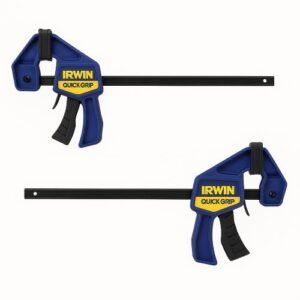
✔️ IRWIN QUICK-GRIP 6” One-Handed Mini Bar Clamp Set
(4-Pack)
These IRWIN Quick-Grip clamps are my go-to shop workhorses. Light, fast, and truly one-handed, they’re perfect for small builds like display cases, shelves, frames, and trim. Even with their compact size, they deliver solid pressure, lock cleanly, release smooth, and won’t dent your walnut thanks to the non-marring pads. If you want clamps you’ll actually enjoy using — these are the ones.
Why it’s great:
✓ One-handed operation makes positioning and clamping effortless
✓ Strong, consistent grip for small cabinet and display case builds
✓ Soft, non-marring pads protect delicate woods like walnut and cherry
✓ Lightweight design lets you run several clamps at once without fatigue
✓ Perfect for tight spots where full-size bar clamps won’t fit
✓ Extremely reliable — no slipping, no bending, no cheap-plastic flex
✓ Great for beginners and pros who want fast, frustration-free clamping
🌟 Amazon Product Suggestion:

✔ SKIL 6-Amp Corded Jig Saw
A dependable jigsaw with solid power and smooth control. The SKIL 6-Amp delivers clean curves, fast cuts, and easy bevel adjustments, making it a great all-around tool for woodworking and DIY projects.
Why it’s great:
✔ Powerful 6-amp motor for hardwoods and plywood
✔ 4-stage orbital action for smooth or aggressive cutting
✔ Bright HALO LED for clear visibility on cut lines
✔ Tool-free bevel adjustment for quick angled cuts
✔ Comfortable grip with low vibration for better accuracy
🌟 Amazon Product Suggestion:
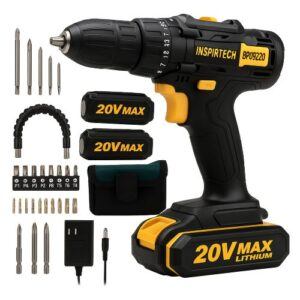
✔️ INSPIRITECH 20V Cordless Drill
(My Personal Choice!)
This is the cordless drill I use in my own shop, and it’s been rock-solid. The INSPIRITECH 20V kit includes two batteries, a charger, drill/driver bits, a flexible extension, and a handy tool bag. With 24 torque settings and a comfortable grip, it’s perfect for mailbox builds, repairs, and everyday woodworking.
Why it’s great:
✔️ Two 20V batteries — work nonstop
✔️ Includes bits, extension, and tool bag
✔️ Lightweight and easy to control
✔️ Strong enough for outdoor projects
✔️ Affordable, complete starter kit
🪚 How to Build Your Custom Wood Accent Wall
Now that you’ve got your tools, materials, and a few recommended upgrades, let’s walk through the build from start to finish.
This project is beginner-friendly, but taking your time on layout and prep will make the final result look clean, straight, and professionally installed.
Step 1: Prep and Inspect the Wall
Before a single board goes up, you need a clean, solid surface to work with.
Start by removing anything on the wall: outlet covers, artwork, nails, shelves—wipe the wall down to get rid of dust or oils that might affect adhesion.
Use your stud finder to map out stud locations and mark them lightly with a pencil.
These marks will guide your brad nails or screws later on and help keep everything locked down tight.
Once the wall is clean and marked, step back and take a good look at it.
Check for dips, humps, or patches that need a quick sand or fill.
The flatter and cleaner your surface is, the easier your boards will line up and the better your final results will look.
👉👉 Pro Tip: Use blue painter’s tape to mark your studs instead of pencil. It’s easier to see from across the room, won’t smear while you’re working, and peels off clean when the job’s done.
Step 2: Plan Your Layout
Before you grab the Nailer, take a few minutes to decide how you want your wall to look.
Lay out a few boards on the floor to get a feel for the pattern, tone, and board spacing.
Whether you’re stacking horizontal planks, running verticals, or building a unique mixed-wood pattern, planning now saves a TON of frustration later.
Use your level or laser to snap a perfectly straight reference line across the wall.
This line becomes your guide for the entire build, making sure your boards stay straight even if your floor or ceiling isn’t.
A dead-level starting row is the secret to a professional-looking accent wall.
👉👉 Pro Tip: Mix board lengths and tones for a more natural, handcrafted look. Repeating the same pattern over and over can make the wall feel too “manufactured.” Variety adds charm.
Step 3: Cut Your Boards to Size
Once your layout is locked in, start cutting your boards to fit the pattern.
Use your jigsaw or miter saw to trim each piece to length, making sure the cuts are clean and square.
Take your time here — consistent cuts make the entire wall line up easier and look sharper when everything is installed.
Dry-fit a few pieces as you go.
This helps you keep your pattern balanced, avoid awkward gaps, and make sure your board lengths flow naturally from one row to the next.
👉👉 Pro Tip: Cut and stage boards for 2–3 rows at a time instead of prepping the whole wall at once. It keeps your pattern flexible and prevents mistakes from stacking up.
Step 4: Install the First Row
Your first row is the foundation of the entire accent wall, so take your time and get it perfect.
Line your first board up with the level reference line you marked earlier, making sure it’s dead straight before you fasten anything.
Use wood glue or construction adhesive on the back, then secure the board with brad nails or trim screws directly into the studs you marked.
Work your way across the wall, checking level every couple of boards.
If your first row is straight, every row above it goes up smooth.
If it’s crooked… well, the whole wall will tell on you.
👉👉 Pro Tip: Start your first row with a full-length board for the cleanest look. Short boards in the first row make the entire wall look choppy from the start.
Step 5: Keep Building the Pattern
With the first row locked in, continue installing your boards one row at a time.
Stagger your seams, mix your board lengths, and follow the layout you planned earlier.
Keep checking your level every few boards —
even small shifts can add up as you work your way across the wall.
For tricky spots like outlets, corners, or trim, measure carefully and cut slowly.
A tight, clean fit around obstacles is what makes a DIY accent wall look truly professional.
👉👉 Pro Tip: Stand back every couple of rows and take a wide look at the wall. This helps you catch pattern repeats, weird gaps, or crooked lines before they become a pain to fix.
Step 6: Sand and Finish (Optional but Recommended)
Once the wall is fully installed, run your hand across a few boards.
If you feel rough edges, raised grain, or tiny lip transitions between boards, lightly sand the trouble spots with fine-grit paper.
You don’t need to sand the entire wall —
just smooth out anything that catches your fingers or reflects light weirdly.
If you want to add stain or a clear coat, now’s the time.
A satin or matte finish really brings out the grain and helps protect the wood from fingerprints, dust, and UV light. Just be sure to wipe the boards clean before applying anything.
👉👉 Pro Tip: Use a soft sanding sponge instead of a sander for touch-ups. It’s gentler, more controlled, and prevents you from accidentally scuffing up areas you didn’t mean to.
Step 7: Reinstall Fixtures and Add Final Touches
Once your wall is sanded, finished, and fully dry, it’s time to bring the room back to life.
Reinstall outlet covers, light switches, wall plates, and any trim you removed.
If you’re adding shelves, hooks, or décor pieces, make sure they’re anchored into studs or heavy-duty wall anchors for a secure hold.
Now step back and admire that wall you just crafted.
A custom wood accent wall instantly transforms a room — and you built it yourself.
That’s the good stuff right there.
👉👉 Pro Tip: If you’re mounting a TV or shelves on the new wall, take a photo of your stud locations before covering them. It’ll save you from guessing later.
Final Thoughts…
Building a Custom Wood Accent Wall is one of those projects that delivers huge style without requiring a massive budget or advanced carpentry skills.
With some careful planning, a few essential tools, and a creative eye for layout and board selection, you can turn any dull room into a warm, handcrafted space that feels intentional and lived-in.
Take your time on the first row, keep your pattern flexible, and step back often to check your progress. Little touches like clean cuts, mixed board tones, and a solid finish make all the difference in the final look. And now that you’ve done one? You’ve officially unlocked a skill you can use anywhere in the house.
If this wall doesn’t make you feel like you’ve accomplished something, nothing will.
 More Woodworking Projects You’ll Enjoy
Here are a few other beginner-friendly project ideas you can try next:
-
How to Build a Wooden Mailbox – A sturdy outdoor project that teaches accurate layout and assembly.
-
Build a Simple Wooden Toolbox – A classic beginner project and a great way to organize your tools.
-
DIY Display Case – Learn clean joinery with a project that looks great in any room.
-
Craft a Kids’ Stool in 5 Steps – A quick build that teaches essential cutting and measuring skills.
These projects help you grow your skills while creating something you’ll enjoy for years to come.
You got this!
 Craft it. Shape it. Own it!
 Need More Plans?
 Click here to learn more about Ted’s Woodworking Plans.
If you want access to hundreds of additional woodworking projects and detailed tutorials, check out my full review of Ted’s Woodworking Plans.
It’s packed with step-by-step builds that are perfect for weekend projects.

 Turn Your Woodworking Passion Into Income
Click here to learn more about Wealthy Affiliate.
SawdustSmarty.com started as a small hobby —
and it only grew once I finally learned how to build a real website.
If you’ve ever thought about turning woodworking into a side income, the training at Wealthy Affiliate is what I personally recommend.
